Fermentation is one of the most widely used biological processes. Microorganisms are used to produce pharmaceuticals, food ingredients, feed additives, enzymes, and other fermentation products. Bioreactor mixing directly affects oxygen transfer, nutrient distribution, and temperature uniformity, which in turn influence yield, batch time, and product quality.
What We Bring to Your Process
Support higher biomass productivity and product yield
Improve process reliability through high uniformity
Support long-term operating efficiency through effective bioreactor design
Hygienic, easy-to-clean design can help reduce contamination risk
Process Highlights
In aerobic fermentation, dissolved oxygen (DO) is a key control parameter and should be maintained within the range required by the process
Oxygen transfer rate (OTR) must match the oxygen uptake rate (OUR) of the microorganisms
During scale-up, oxygen-transfer capability should remain sufficient to meet OUR, with criteria such as kLa, power per unit volume, and mixing time considered as appropriate
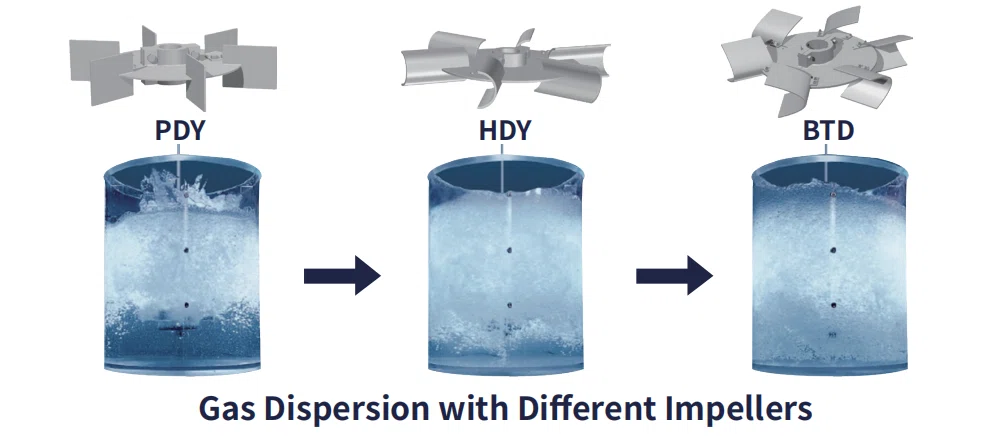
Finer, more uniformly distributed bubbles generally increase the gas-liquid interfacial area per unit volume
All else being equal, longer gas residence time can improve oxygen utilization
Broth viscosity may increase with biomass or product concentration; high-viscosity conditions require stronger bulk circulation
Selection Considerations
Viscosity and rheology of the broth (Newtonian / non-Newtonian)
Vessel aspect ratio and fill level
Required oxygen transfer rate (OTR)
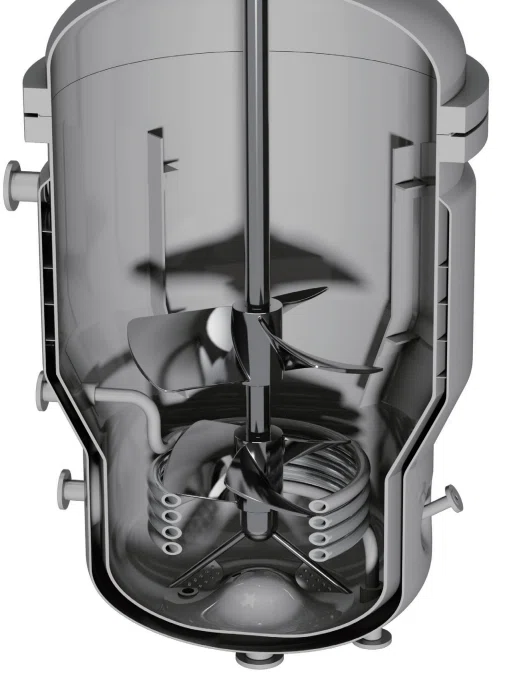
Heat-transfer requirement (jacket / coil)
Sterilization and cleaning requirements (e.g. steam sterilization)
Selection Recommendations
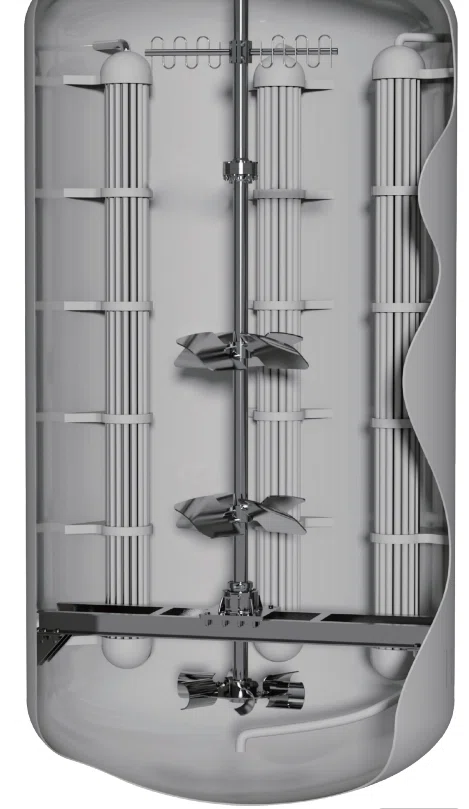
Bottom stage may use disc turbines (e.g. BTD, HDY) to enhance gas dispersion and oxygen transfer
Middle and upper stages may use wide-blade axial-flow impellers (e.g. KSX, KHX, ZCX) to establish bulk circulation and shorten mixing time
A top-stage defoaming impeller (e.g. XPJ) may be used where surface foaming requires active control
The number of stages and impeller combination depend on vessel aspect ratio, fill level and oxygen demand
A dedicated foam breaker may be considered where significant foaming is expected
Impeller-to-vessel diameter ratio should be selected according to impeller type, vessel geometry, and process requirements
Crystallization
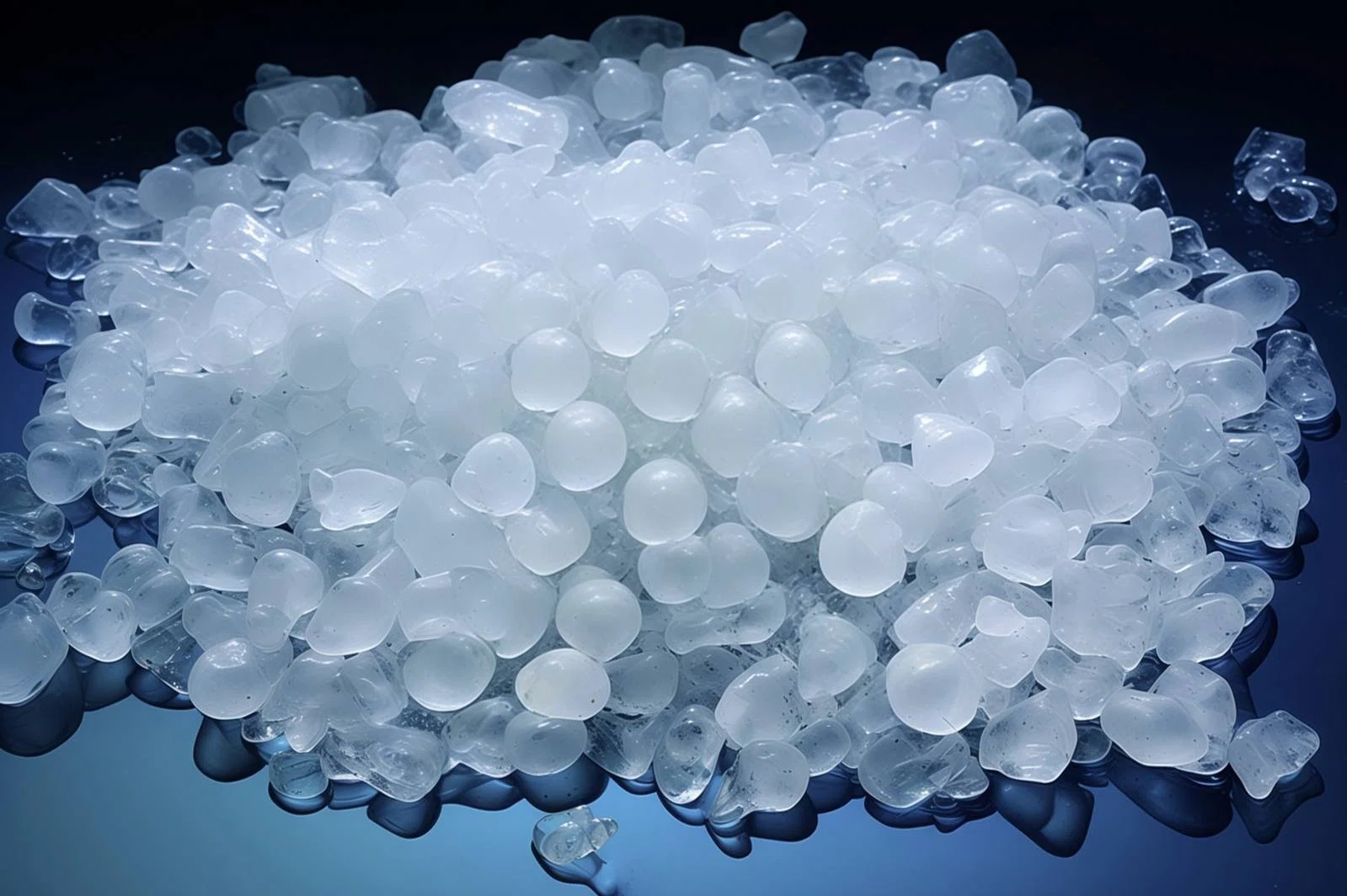
Crystallization is a key unit operation for controlling particle size distribution and crystal habit in chemical and specialty-chemical processing. Supersaturation, temperature gradients, suspension quality, and flow uniformity influence nucleation and crystal growth, while mixing helps control circulation and the suspension state.
What We Bring to Your Process
Uniform, controlled crystal size distribution
Better batch-to-batch consistency, fewer fines and agglomerates
Help limit crystal breakage and preserve crystal habit
Reduce local supersaturation through a uniform flow field
Process Highlights
Flow uniformity supports a more consistent particle size distribution
Shear intensity should be matched to crystal hardness and breakage sensitivity
Suspension state affects the growth environment of crystals
Temperature distribution affects local supersaturation
Selection Considerations
Target size distribution and habit
Crystal hardness and breakage sensitivity
Supersaturation control strategy
Suspension requirement (off-bottom / uniform)
Heat-transfer demand
Selection Recommendations
Low-viscosity duties: axial-flow impellers (e.g. ZCX, KCX) can be used to establish bulk circulation
Where stronger local mixing is required, an appropriate turbine impeller (e.g. PY) may be considered based on crystal fragility and allowable shear
High-viscosity or wall-renewal duties: anchor-frame or ribbon impellers
Impeller type and number of stages depend on target size and crystal characteristics
Polymerization
In polymerization, viscosity may rise markedly with conversion, moving from a low-viscosity system to a medium- or high-viscosity system. The mixer design must maintain uniformity early in the reaction and support heat transfer as viscosity increases, while also addressing mass transfer where the process requires it.
What We Bring to Your Process
Handle the full viscosity range from low to high
Support heat removal and reaction-temperature control
Ensure uniform mixing with fewer local concentration and temperature differences
Reduce build-up and dead zones for easier cleaning
Process Highlights
Viscosity may rise during the reaction, so the impeller configuration must accommodate changes in rheology
For strongly exothermic polymerizations, heat-transfer area and flow field must be matched
Wall renewal and mixing efficiency at high viscosity
Selection Considerations
Viscosity range and its variation
Reaction heat and heat-transfer demand
Cleaning and build-up control
Mixing time, heat-transfer performance, and rheological changes during scale-up
Selection Recommendations
Low-viscosity stage: axial-flow or turbine impellers
High-viscosity stage: close-clearance impellers such as ribbon, screw, or anchor-frame designs
Multi-stage impeller combinations can be used to accommodate viscosity changes during the reaction
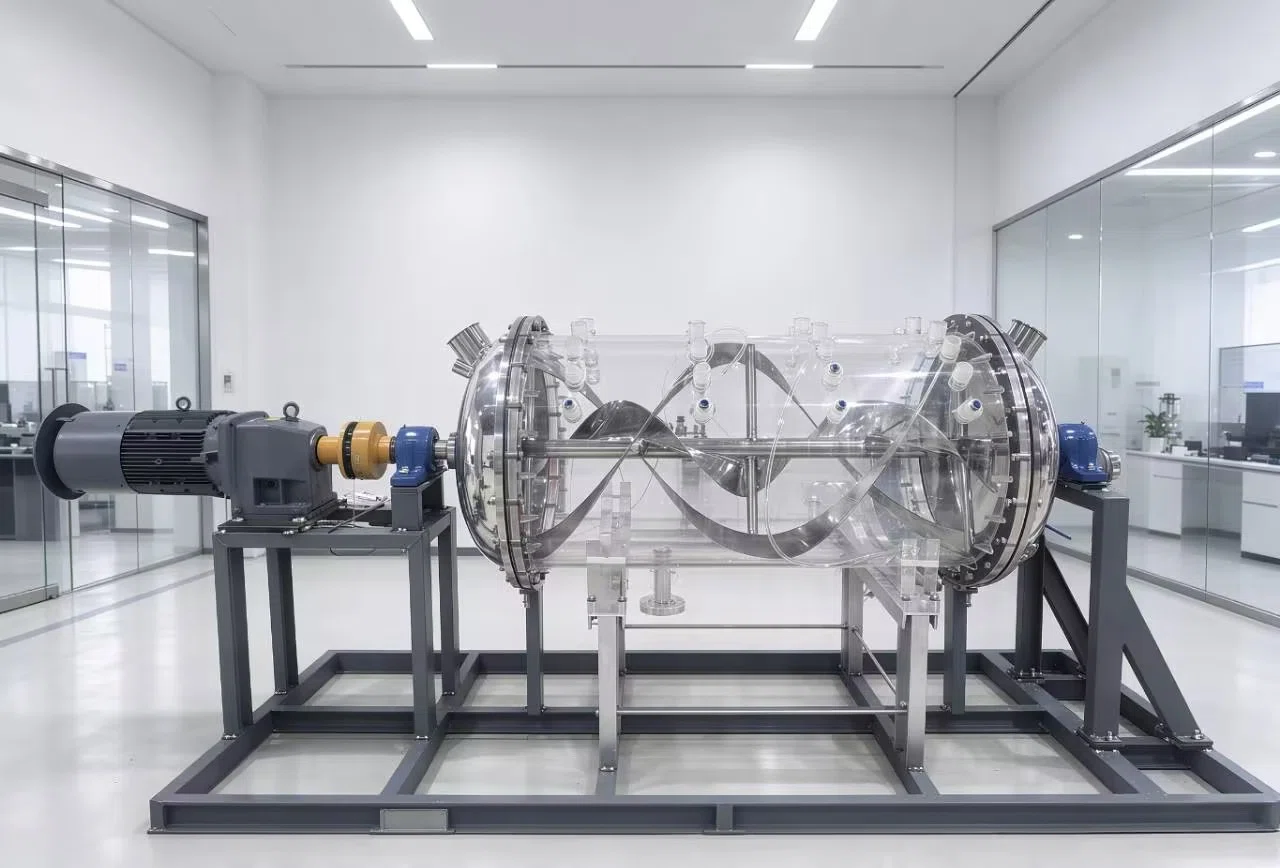
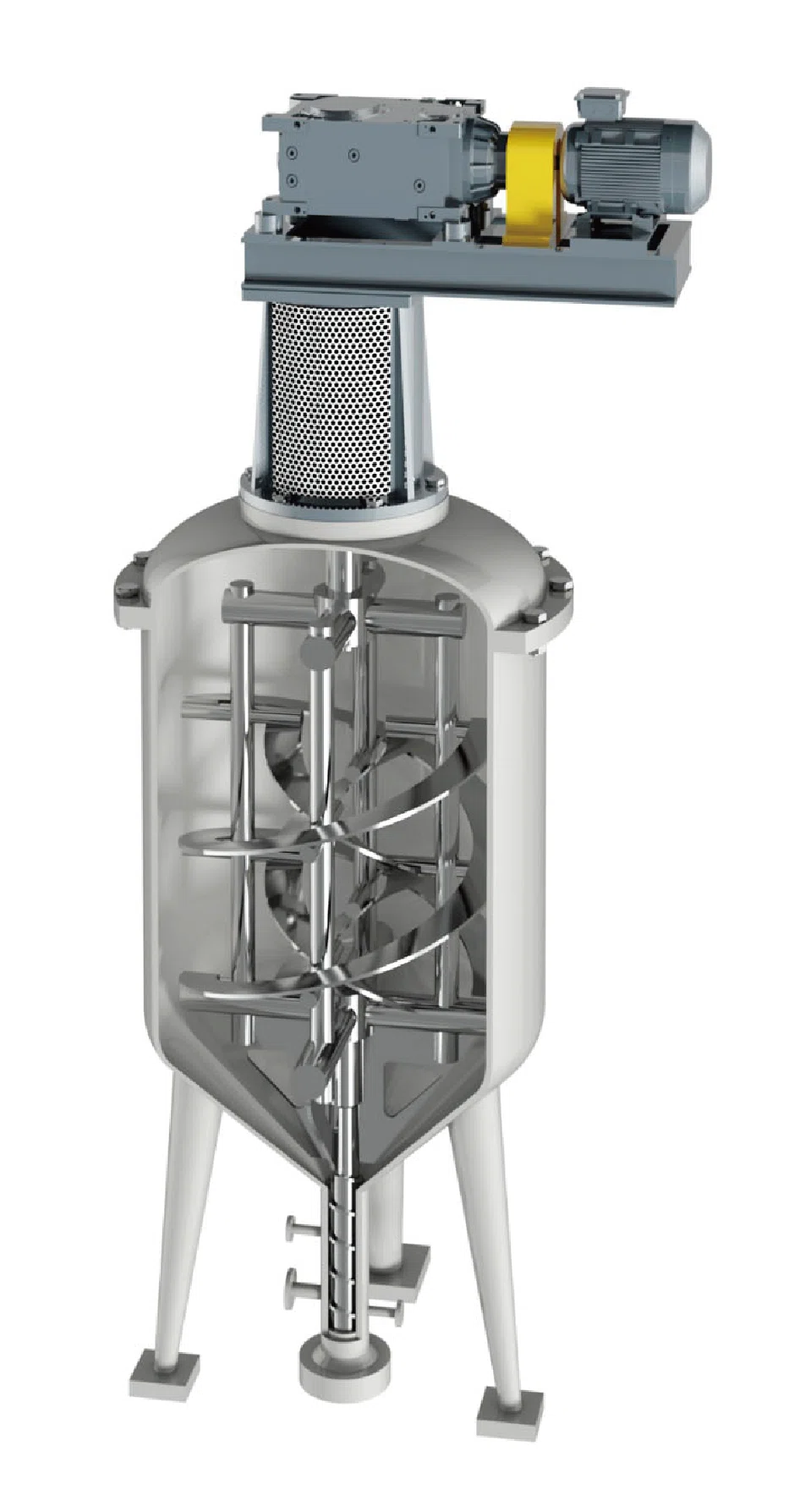
Hollow ribbon agitator adopts shaftless central design to eliminate low linear velocity zones at the vessel centre, drastically reduce material build-up and deposition, improve batch-to-batch product quality, and enhance equipment cleanability.
Hydrogenation & Oxidation
Hydrogenation and oxidation are typical gas-liquid, or gas-liquid-solid, multiphase reactions that can be limited by gas transfer into the liquid phase. The core task of mixing is to disperse gas into fine bubbles, increase gas-liquid interfacial area, and promote mass transfer and bulk circulation.
What We Bring to Your Process
Improved gas dispersion and gas-liquid mass transfer
Support higher gas utilization through increased gas residence and interfacial contact
Can help achieve the target conversion under optimized pressure or temperature, subject to reaction kinetics and process constraints
Help optimize mixing energy consumption
Process Highlights
In mass-transfer-limited systems, reaction rate depends strongly on gas transfer into the liquid phase
Smaller, more evenly distributed bubbles give a larger gas-liquid contact area
All else being equal, longer gas residence time can improve gas utilization
Reactor pressure and temperature affect gas solubility
Selection Considerations
Gas properties and operating pressure
Required gas-liquid mass-transfer rate
Target gas holdup
Reaction heat, heat-transfer demand, and catalyst suspension requirements (where applicable)
Required mass-transfer performance during scale-up
Multi-stage combinations can balance dispersion and circulation
Battery Precursor Manufacturing
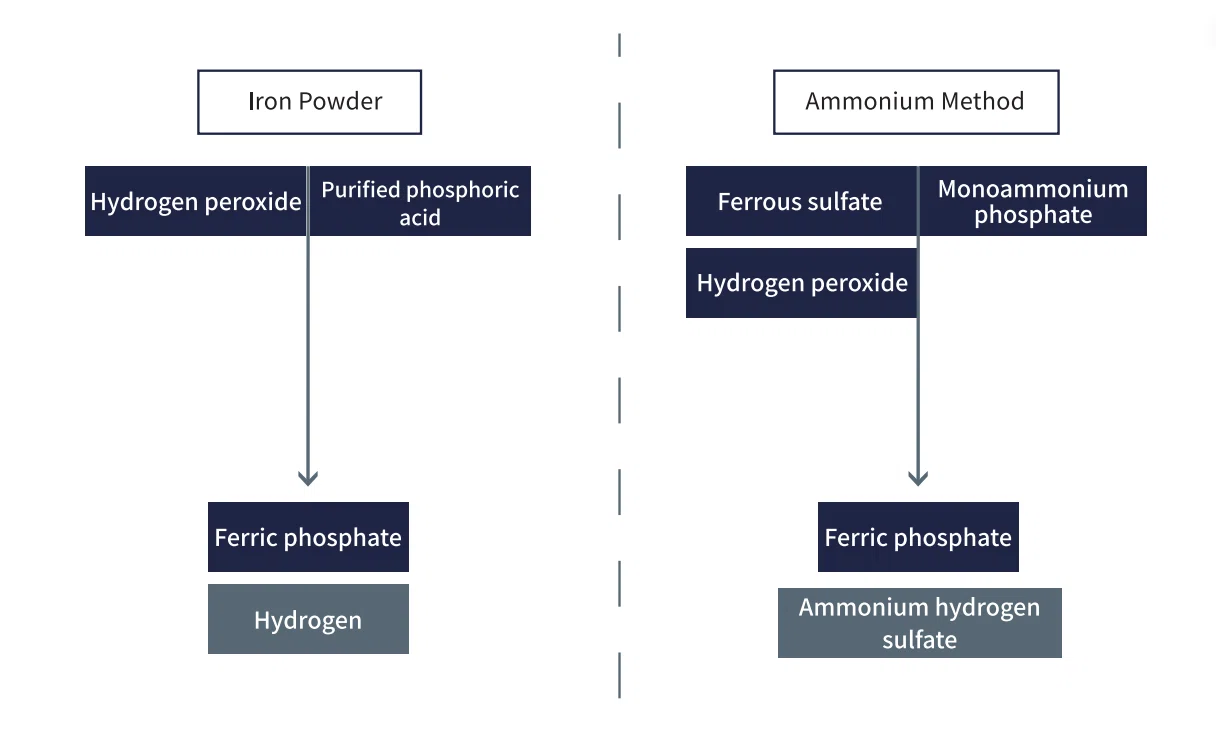
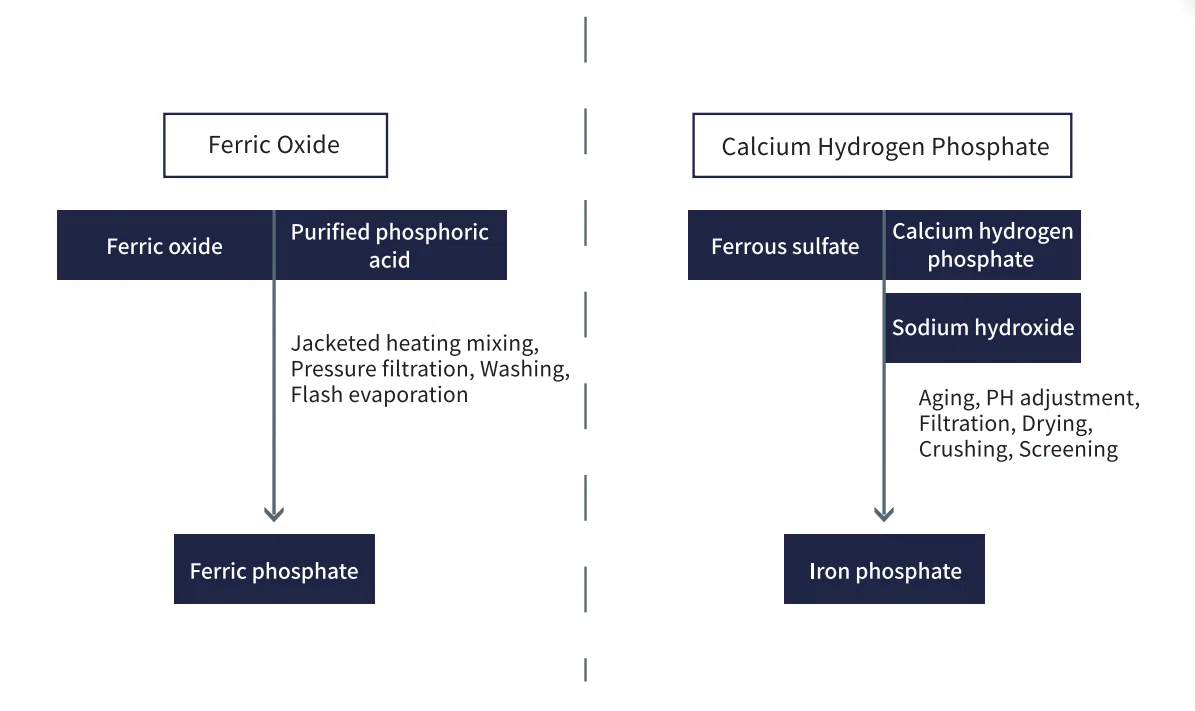
Battery precursor manufacturing is widely used in new energy materials production and sets the first limit on cathode performance. The particle size distribution, morphology and tap density of the precursor largely determine the controllability of downstream sintering and the electrochemical performance of the final product. The routes fall into two main families: iron phosphate (the LFP precursor), formed from an iron source and a phosphorus source via oxidation and precipitation; and ternary precursors (NCM/NCA), formed by co-precipitation of nickel, cobalt and manganese sulfates with ammonia and sodium hydroxide into spherical hydroxides. On either route, pH, dosing rate and mixing intensity together govern the supersaturation field, and therefore whether nucleation and growth can be kept apart.
Fewer fines and agglomerates through reduced local supersaturation
Better batch-to-batch consistency with stable tap density and specific surface area
Improved sphericity and size distribution, easing downstream filtration, washing and sintering
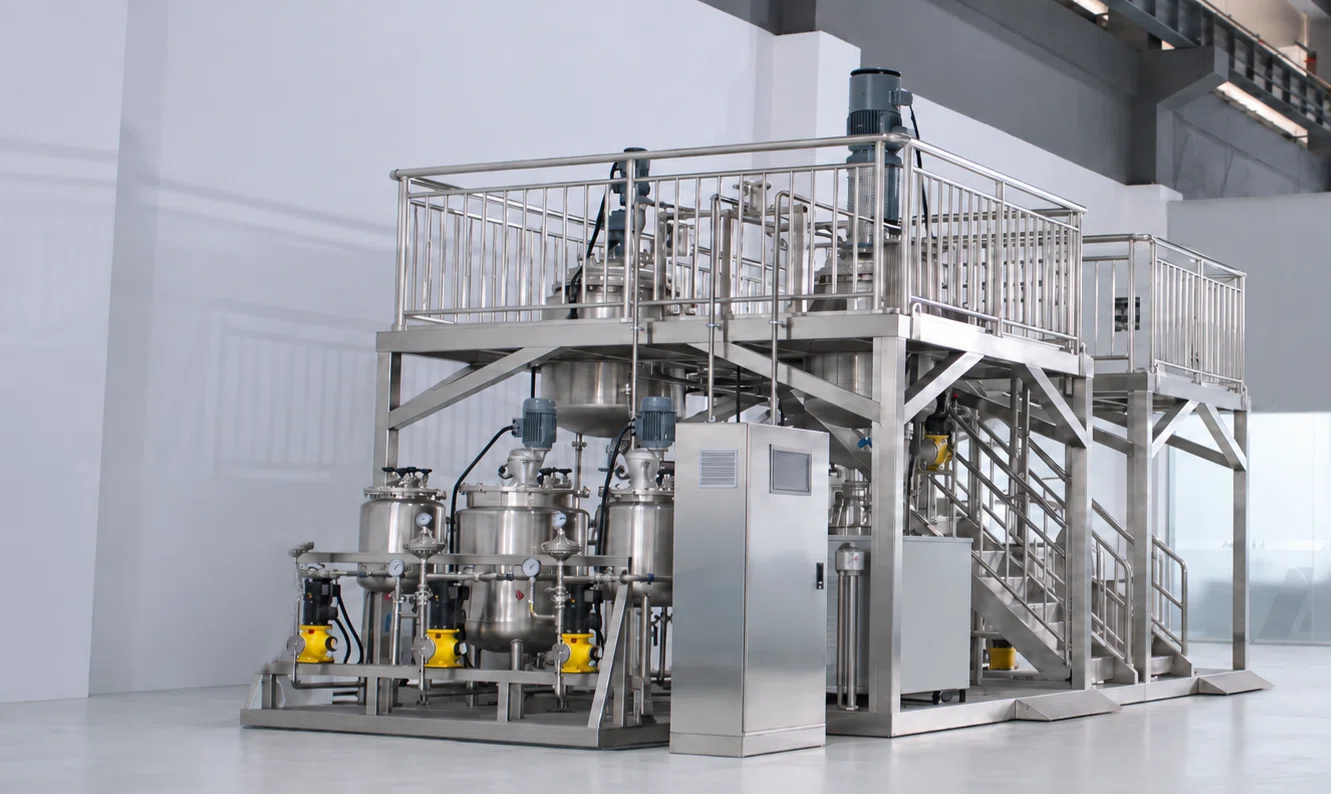
Skid–mounted delivery available: vessel, mixing, piping, instrumentation and control integrated as one package, shipped as a unit and commissioned quickly on site
Full-cycle service from pilot validation to production scale-up
Process Highlights
pH and dosing rate affect local supersaturation, nucleation and particle growth, and should be controlled according to the target particle size and morphology
Mixing intensity affects nucleation, particle growth and agglomeration
Flow uniformity affects the width of the particle size distribution
Temperature and heat transfer should be controlled according to the reaction heat and solubility characteristics
Selection Considerations
pH control accuracy and dosing method
Target particle size and morphology
Suspension requirement
Heat-transfer demand
During scale-up, attention should be paid to mixing time and local mixing intensity
Selection Recommendations
Fast mixing stage: turbine or axial-flow propeller for rapid and uniform contacting of the materials
Ageing stage: low-shear impellers to reduce the risk of particle breakage
Multi-stage configurations where needed to balance mixing and suspension